



Listen to the audio version of this article (generated by A.I.)
California’s agriculture is a cornerstone of both the state and national economy, generating more than $60 billion in annual farm revenue from a diverse mix of more than 400 commodities and contributing significant export value globally. That production occurs on agricultural landscapes spanning irrigated cropland and extensive rangelands for livestock. Irrigated agriculture, which produces the majority of specialty crops in California, takes place on less than 10 million acres of land, yet the state leads the nation and world in producing several commodities. Despite this leadership position, current and future changes in climate pose a major threat to the state’s agricultural sector.
Farmers, crop consultants and technical service providers are under constant pressure to adjust and adapt to both weather variability and long term climate change. This article outlines how climate has changed in the past and is projected to change in the future, how these stressors are affecting California agriculture and why adaptation is needed to make agriculture more resilient to these risks.
Rising temperatures
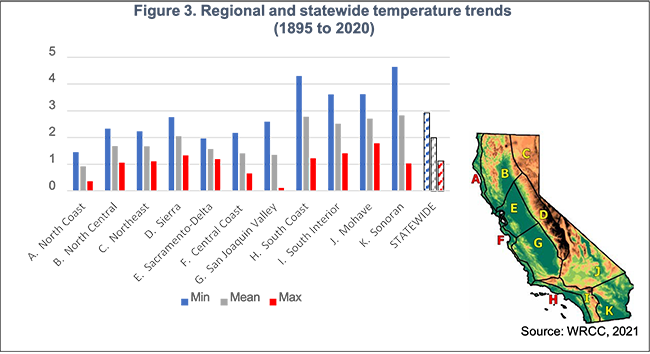
Across California, average temperatures have increased significantly. Over the last century, minimum temperatures rose about 3°F and maximum temperatures by a little more than 1°F. Different regions in the state have experienced warming at varying magnitudes, but in general the increase in minimum temperatures has been greater than that for maximum temperatures. Future projections indicate that temperatures will continue rising throughout the 21st century. By mid century, average temperatures are expected to increase by approximately 2.5°F to 3.5°F under moderate emissions scenarios and 4.5°F to 5.6°F or more under high emissions scenarios, relative to late 20th century conditions.
‘Most farmers reported experiencing greater climate impacts on their farms compared to a decade ago, reflecting lived experience rather than abstract awareness.’
Changes in precipitation and water availability
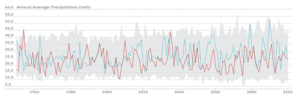
Climate change is altering not just total precipitation, but also its timing and form. Reduced snowpack and earlier runoff are placing increasing pressure on surface water supplies and groundwater. Current long term data do not show a consistent statewide trend in total annual precipitation, but increased variability and extremes are expected. This means prolonged droughts as well as more intense storms and flood conditions may become more common. Because nearly all specialty crops in California are irrigated, uncertainty in precipitation and water availability is a critically important issue for agriculture.
Increasing frequency and intensity of extreme heat
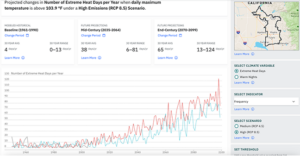
The increasing frequency and intensity of extreme heat is among the most concerning climate threats facing California agriculture. Extreme heat is commonly defined using locally relevant temperature thresholds, such as days when maximum temperatures exceed 95°F or 100°F, or when nighttime minimum temperatures remain high. These thresholds are typically based on the upper percentiles of long term temperature records. Future trends show a substantial increase in the number of days exceeding these heat thresholds, with the most significant increases projected for inland valleys, desert regions and urbanized areas. By mid to late century, many parts of the Central Valley and Southern California are expected to experience several dozen additional extreme heat days per year compared with historical conditions. Coastal regions, though moderated by marine influence, are also projected to see more frequent and intense heat events. Extreme heat is spreading both spatially and temporally, regions that historically experienced only occasional heat waves are increasingly exposed, heat seasons are starting earlier and ending later, and nighttime heat extremes are becoming more common. This expanding footprint of extreme heat amplifies risk to agricultural productivity across the state.
Farmer perceptions of climate impacts
Farmers have firsthand experience with how climate variability and long term climate change affect their operations. In a statewide survey, researchers observed broad recognition among farmers that climate change is occurring and relevant to agriculture. About two thirds of surveyed farmers agreed that climate change is happening and that actions are necessary to address it. Most farmers reported experiencing greater climate impacts on their farms compared with a decade ago, reflecting lived experience rather than abstract awareness. Perceived impacts were dominated by water related concerns, including reduced and uncertain irrigation water supplies and declining groundwater availability, followed by temperature related stresses such as increased drought severity and extreme heat affecting crops. Disaster risks, including partial or complete crop and farm losses, were also noted. Perceptions varied across regions, crop types and farmer demographics, with historically underrepresented and limited resource farmers generally expressing higher levels of concern. Many growers expressed interest in learning more about climate impacts and adaptation options.
Research perspectives on climate impacts
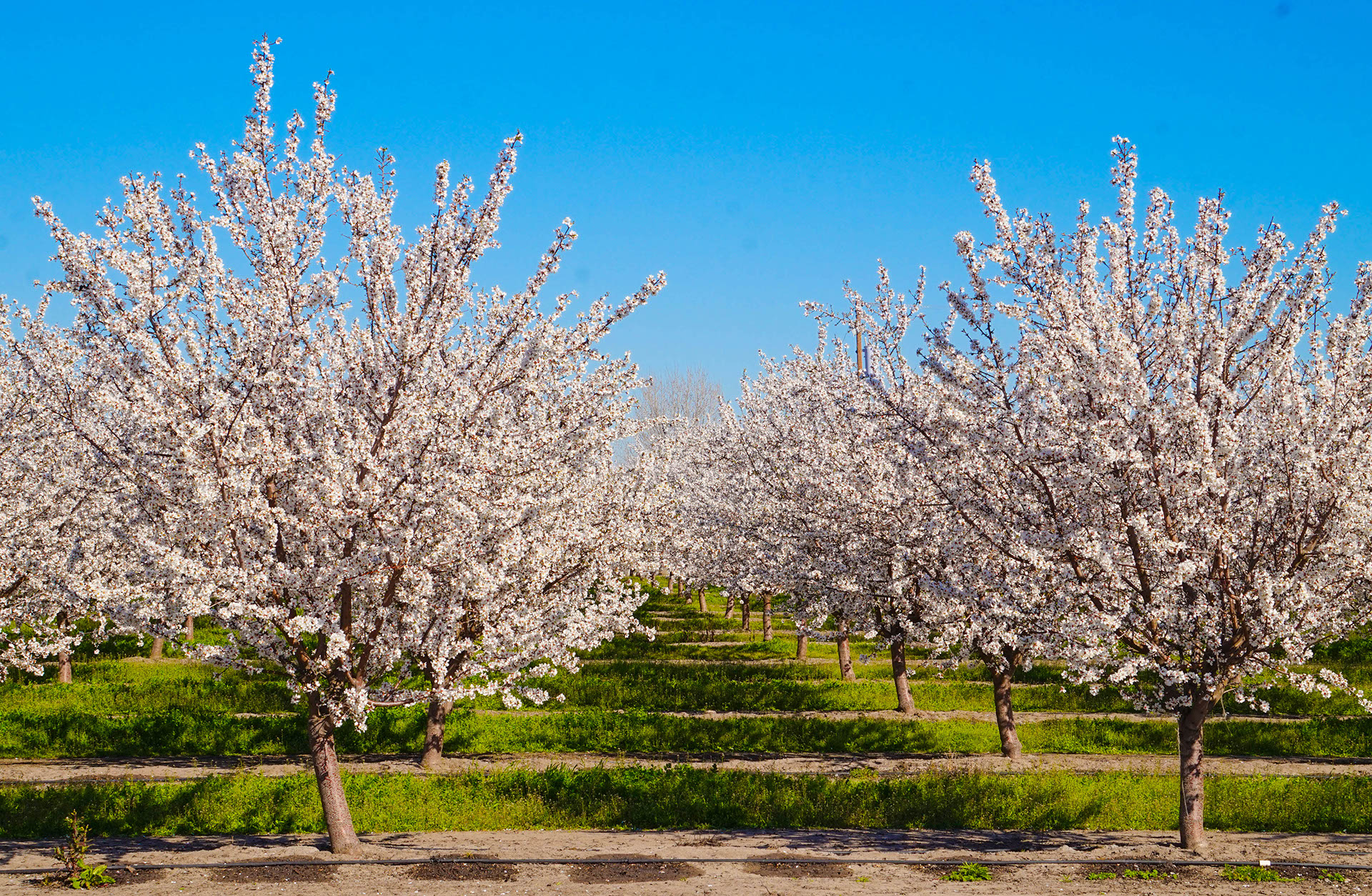
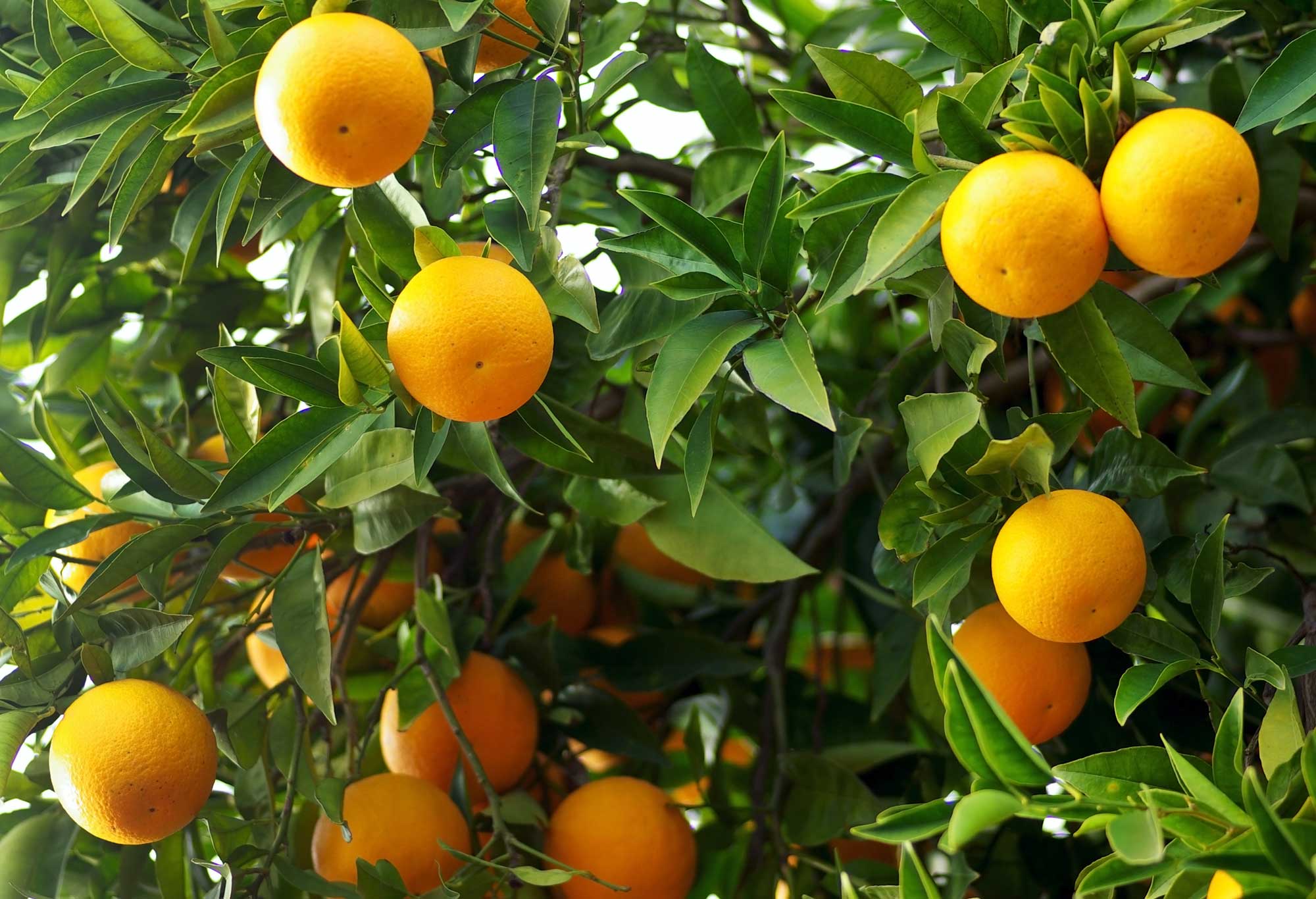
Long term trends show that climate change is already altering California’s agricultural climate in ways that directly affect crop yields and production patterns. Rising average temperatures, more frequent and severe droughts and heat waves, changing precipitation patterns and diminished snowpack all place stress on water intensive cropping systems and limit water availability for irrigation across the state’s diverse farming regions. These shifts disrupt both annual and perennial crop phenology, reducing chill hours for fruit and nut trees and potentially shortening growing seasons, which can lower yields and challenge the viability of high value crops such as grapes, almonds and citrus if adaptation measures are not implemented.
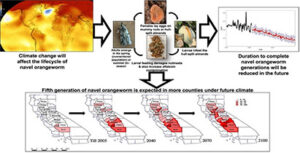
Enhanced climate variability also increases the likelihood of extreme events such as floods or prolonged drought, further threatening crop productivity and farm sustainability. Beyond the direct effects on plant growth, climate change is expected to intensify pressures from agricultural pests, which can further depress yields and increase production costs. Research on insect pests affecting California’s high value specialty crops indicates that warmer temperatures will shift the timing of pest life cycles, leading to earlier seasonal emergence and potentially more generations per season. For example, key pests such as codling moth, peach twig borer, oriental fruit moth and navel orange worm are projected to complete additional generations per season under future climate conditions, increasing their cumulative impact on crops like walnuts, almonds and peaches. These changes complicate pest management efforts and could increase reliance on chemical or other interventions, with economic and environmental consequences for growers.
Enhancing agricultural resilience to climate risks
The combined effects of climatic stressors and biological responses underscore the need for comprehensive adaptation strategies. Climate change influences multiple factors simultaneously, including water demand, heat stress and pest and disease dynamics, and demands locally tailored responses that integrate improved water management, selection of resilient crop varieties and proactive pest management. Strengthening agricultural adaptive capacity through climate smart and regenerative practices, improving soil health and better integration of climate information into strategic decisions will be essential for maintaining productivity, protecting food security and supporting the economic value of California agriculture in the face of ongoing and future climate challenges.
Crop consultants who integrate climate information into their recommendations will be better positioned to support growers facing expected climate challenges and higher uncertainties. Climate informed consulting is an important component of best management practices to enhance agricultural resilience to climate related threats.