



Listen to the audio version of this article (generated by A.I.)
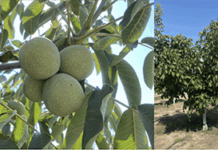
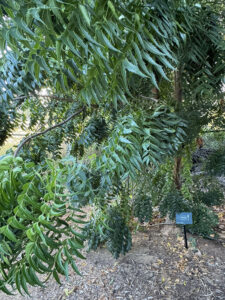
Neem (Azadirachta indica) is a drought-resistant tropical tree in the Meliaceae family, native to the Indian subcontinent and parts of Southeast Asia. This multipurpose species has been used for millennia in Indian Ayurvedic medicine, much like its close relative, chinaberry, in traditional Chinese medicine, and for pest management. While neem oil and neem seeds are best known for their use in pest control, its leaves, flowers and twigs have also been used in medicine or cooking in many tropical countries. Neem-based toothpastes, soaps, face washes, skin salves and hair care products are everyday items in Cambodia, India, Indonesia, Malaysia, Thailand, Vietnam and other regions. In rural India and parts of Africa, neem twigs are used as natural toothbrushes.
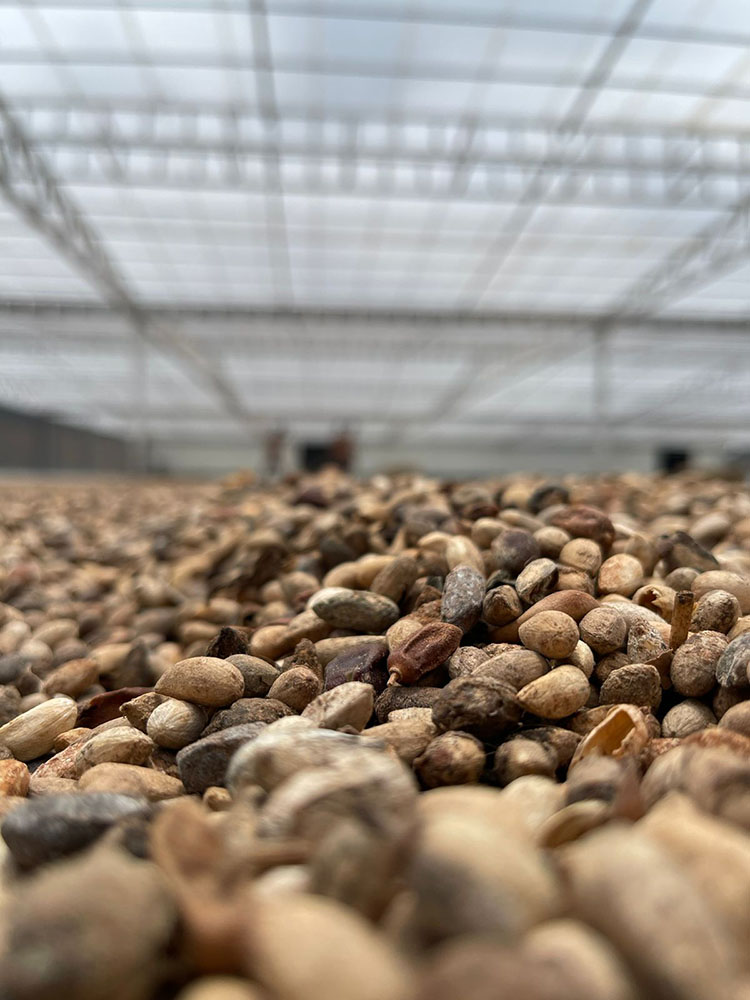
The tree’s therapeutic and pesticidal properties come from the limonoid azadirachtin and other compounds found in its seeds, foliage and other parts. Limonoids are modified terpenoids present in citrus and other plants with diverse biological activity. Neem kernels contain 0.14% to 2.02% azadirachtin, while pressed oil contains 300 to 3,000 parts per million. Azadirachtin acts as an antifeedant, insect growth regulator, repellent and insecticide. It blocks the release of growth hormones ecdysone and juvenile hormone, resulting in molting disruption, and interferes with cell division, protein synthesis, reproduction and feeding. When neem oil is sprayed, the oil film itself suffocates eggs and young insects, while also preventing fungal spores from germinating, a dual barrier against pests and pathogens.
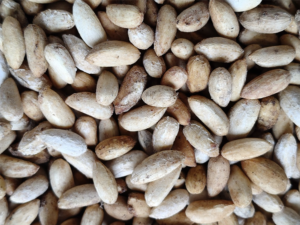
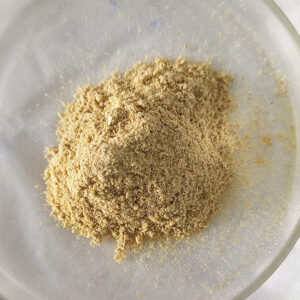
After oil and azadirachtin are extracted, the remaining seed cake serves as a fertilizer or can be further processed to yield protein for amino acid and peptide extraction, as well as carbohydrates that can be used as organic manure. Gallic acid, gedunin, mahmoodin, nimbin and nimbinin from neem seed, bark or roots have antimicrobial activity. With one or more of these compounds, neem can be an important tool in plant protection.
Research-backed benefits in pest and disease control
Numerous azadirachtin- and neem oil-based pesticides are sold worldwide for farms and home gardens. Their multiple modes of action, compatibility with other inputs, low mammalian toxicity and minimal risk to pollinators make them well suited for integrated pest management. There are currently 29 registered pesticides in California containing neem oil and 34 containing azadirachtin, according to the California Department of Pesticide Regulation. More than 100 neem oil-based and 37 azadirachtin-based products are registered in the United States through the U.S. Environmental Protection Agency. Some products contain combinations of these active ingredients or others, such as pyrethrins and piperonyl butoxide, which increase efficacy.
In California field studies, combining or rotating azadirachtin products with other pesticides, especially biopesticides, often delivered superior control. For example, while the entomopathogenic fungus Beauveria bassiana alone was ineffective against root aphids in organic celery, combining it with azadirachtin provided the best control among treatments evaluated. Similarly, a combination of the synthetic insect growth regulator novaluron and a pyrethroid, followed by two applications of the entomopathogenic fungus Metarhizium brunneum with azadirachtin, ranked among the top treatments for western tarnished plant bug (Lygus hesperus) in strawberry.
Azadirachtin followed by abamectin or imidacloprid was as effective as abamectin followed by imidacloprid for controlling mites (Oligonychus punicae and Oligonychus perseae) in avocado in Mexico. In a Brazilian study, azadirachtin was as effective as abamectin against twospotted spider mites (Tetranychus urticae) in strawberry. Although it reduced fecundity of predatory mites (Neoseiulus californicus and Phytoseiulus macropilis), it did not significantly affect their survival. In Tunisia, neem oil extract provided up to 82 percent control of the mealy aphid complex (Hyalopterus pruni) in almonds.
Neem also shows promise in plant disease management. A recent Iranian study demonstrated that a high concentration of neem seed alcoholic extract resulted in 81 percent and 92 percent inhibition of anthracnose (Colletotrichum nymphaeae) and gray mold (Botrytis cinerea), respectively, in strawberry. Neem enhanced the efficacy of the microbial control agents Purpureocillium lilacinum and Trichoderma harzianum against Fusarium oxysporum f. sp. lycopersici and the root-knot nematode Meloidogyne javanica in tomato in Kenya. Similarly, soil application of crude and refined neem extracts significantly reduced root-knot nematode egg masses and egg numbers on tomato roots in England.
Soil fertility and yield impacts
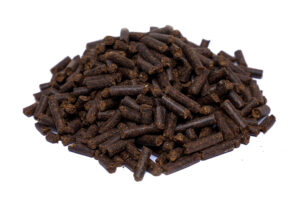
Neem also plays a role in soil fertility and crop production. A Brazilian study reported an 18 percent increase in corn yield after applying about 11 pounds per acre of neem cake as an organic fertilizer. In Nigeria, soil application of neem seed cake before planting significantly increased okra yields. However, studies in Nigeria and Egypt showed that neem seed cake, alone or combined with biochar, affected nitrogen cycling differently depending on soil type. The combination increased ammonia volatilization in neutral and alkaline soils but increased nitrification and reduced ammonia loss in acidic soils.
Opportunities for U.S. growers
Although limited research has been conducted in the United States, studies from around the world demonstrate neem’s potential in crop protection, soil health and nutrient management. Neem products and their active ingredients are currently imported, but domestic production could be beneficial. Arizona, California, Florida and Hawaii have warm, frost-free zones where neem trees can grow. Several Hawaiian islands already have neem planted as landscape trees, offering untapped agricultural potential. While U.S.-based production would take time to develop, currently available neem products already play a meaningful role in sustainable agriculture.
References:
Adusei, S. and S. Azupio. 2022. Neem: a novel biocide for pest and disease control of plants. J. Chem. 1: 6778554. https://doi.org/10.1155/2022/6778554
Bernardi, D. et al. 2013. Effects of azadirachtin on Tetranychus urticae (Acari: Tetranychidae) and its compatibility with predatory mites (Acari: Phytoseiidae) on strawberry. Pest Manag. Sci. 69: 75-80.
Braham, M., A. Abbes, D. Benchehla. 2014. Evaluation of four organically-acceptable insecticides against mealy aphids of the Hyalopterus pruni complex in almond orchard. J. Agric. Crop Res. 2: 211-217.
Cantú-Díaz et al. 2016. Control of mites and thrips and its impact on the yield of avocado cv. “Hass” in Filo de Caballos, Guerrero, Mexico. Int. J. Env. Agric. Res. 2: 14-20.
Dara, S.K. 2015. Root aphids and their management in organic celery. CAPCA Adviser, 18, 56–58.
Dara, S. K., D. Peck, and D. Murray. 2018. Chemical and non-chemical options for managing twospotted spider mite, western tarnished plant bug and other arthropod pests in strawberries. Insects 9: 156. https://doi.org/10.3390/insects9040156
Eifediyi, E. K., K. O. Mohammed, and S. U. Remison. 2015. Effects of neem (Azadirachta indica L.) seed cake on the growth and yield of okra (Abelmoschus esculentus (L.) Moench). Poljoprivreda 21: 46-52.
Jave, N., S. R. Gowen, M. Inam-ul-Haq, and S. A. Anwar. 2007. Protective and curative effect of neem (Azadirachta indica) formulations on the development of root-knot nematode Meloidogyne javanica in roots of tomato plants. Crop Protec. 26: 530-534. https://doi.org/10.1016/j.cropro.2006.05.003
Mwangi, M. W., W. M. Muiru, R. D. Narla, J. W. Kimenju, and G. M. Kariuki. 2018. Management of Fusarium, oxysporum f. sp. Lycopersici and root-knot nematode disease complex in tomato by use of antagonistic fungi, plant resistance and neem. Biocon. Sci. Tech. 29: 229-238. https://doi.org/10.1080/09583157.2018.1545219
Oladele, S. O., A. C. Adegaye, A. Wewe, T. M. Agbede, and A. A. Adebo. 2024. Biochar and neem seed cake co-amendment effects on soil nitrogen cycling and NH3 volatilization in contrasting soils. Discover Appl. Sci. 6, 634. https://doi.org/10.1007/s42452-024-06354-7
Motallebi, P. and M. Negahban. 2024. Neem (Azadirachta indica) seed extract formulation for managing anthracnose and gray mold diseases in strawberry. S. Afr. J. Bot. 169: 66-71. https://doi.org/10.1016/j.sajb.2024.04.027
Silva, J.S.L. et al. 2024. Use of neem vegetable cake (Azadirachta indica A. Juss) increases corn productivity. Braz. J. Biol. 84, e281515. https://doi.org/10.1590/1519-6984.281515
Tomé, H.V.V., J. C. Martins, A.S. Corrêa, T.V.S. Galdino, M.C. Picanço, and R.N.C. Guedes 2013. Azadirachtin avoidance by larvae and adult females of the tomato leafminer Tuta absoluta. Crop Protec. 46: 63-69.